If you want a home base that keeps you close to the University of Iowa, UI Health Care, and the daily rhythm of Iowa City, University Heights stands out fast. This is not a typical spread-out suburb, and it is not trying to be. It is a compact, campus-oriented city with an unmistakable sense of place, and that shape affects everything from housing choices to traffic patterns to your morning routine. If you are wondering whether it fits your lifestyle, this guide will help you picture day-to-day life there. Let’s dive in.
University Heights at a glance
University Heights is a very small city in Johnson County with 1,384 residents packed into just 0.3 square miles. The median age is 27.6, which helps explain the area’s youthful, active feel. Census data also shows a median household income of $111,406 and a bachelor’s degree rate of 87.1%, reflecting a strong professional and academic presence.
In practical terms, living here feels tied to the larger University of Iowa area. The university describes the surrounding district as an urban, four-city community, and much of the main campus, student life, research, athletics, and health care activity sits nearby on the west bank of the Iowa River. That means your daily life in University Heights can feel connected, convenient, and very close to major local anchors.
The setting feels close-knit
Because the city is so small, University Heights often feels more intimate than many nearby communities. Streets, homes, and mixed-use pockets sit close together, and you are rarely far from the action along Melrose Avenue. For some buyers, that creates a sense of energy and ease that is hard to find in a more car-dependent setting.
That same compact footprint also means you should expect a denser layout than in many suburban neighborhoods. Yards may be smaller, streets can feel tighter, and the overall pattern is shaped by proximity rather than separation. If you value convenience and short trips over extra space, that tradeoff may feel well worth it.
Housing in University Heights
Housing in University Heights is mostly single-family. According to the city’s comprehensive plan, more than 75% of land area is zoned for single-family residential use, while about 6% is multi-family. If you picture the local housing stock, think established homes first, with a few notable condo and apartment-style pockets mixed in.
A large share of the homes are older. More than one-third were built before 1950, and the median age of single-family homes is 1956. The city also notes a difference within town: homes east of Sunset Street tend to be older and denser, while areas west of Sunset reflect larger-lot postwar development.
Home styles and residential pockets
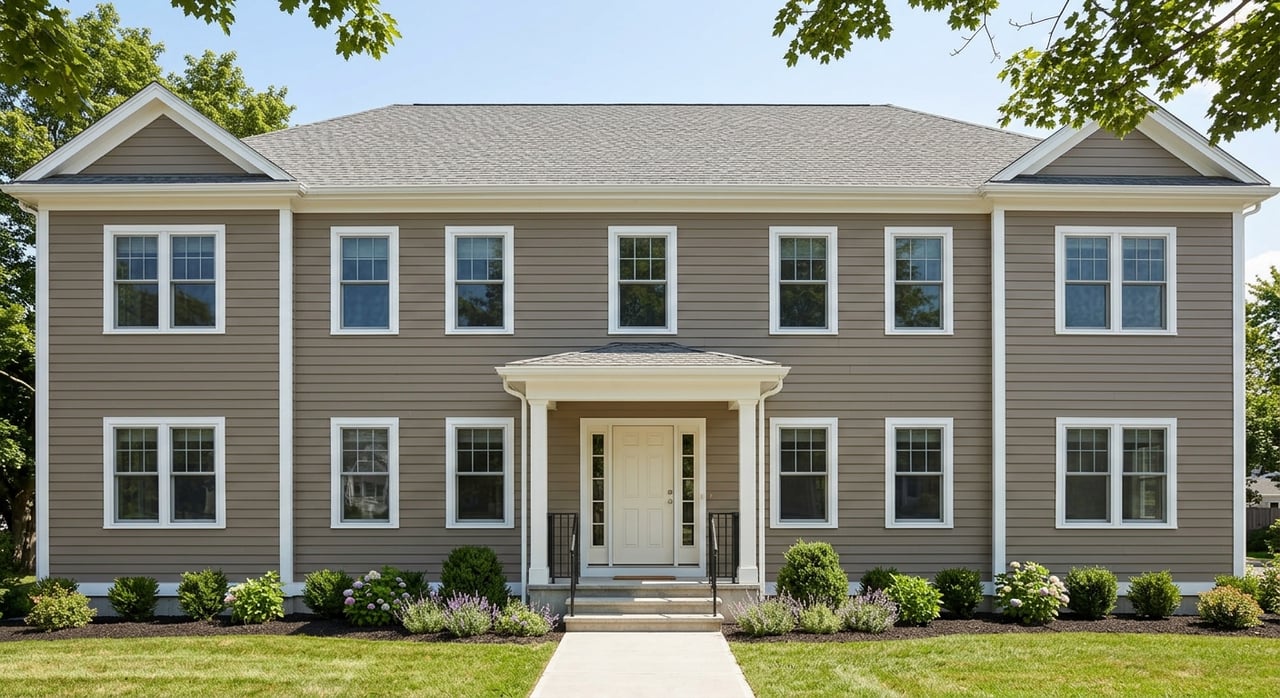
If you are drawn to homes with history, University Heights may appeal to you. The older housing stock can offer mature streetscapes and an established feel that many buyers enjoy. At the same time, older homes can come with layouts, storage, and parking setups that reflect another era.
If you prefer lower-maintenance living, there are more limited options, but they do exist. The most visible multi-family and mixed-use pockets are along Melrose Avenue, especially at One University Place and Grandview Court. Those areas add a different housing experience for buyers who want proximity and convenience with less emphasis on lot size.
Price points can vary widely
One of the trickiest things about shopping in University Heights is that the market can look inconsistent at first glance. Because the city is small and inventory is thin, price snapshots vary depending on source and timing. That makes broad averages useful for context, but less useful for predicting the price of any one home.
Census Reporter places the median value of owner-occupied homes at $429,900. Recent market snapshots have ranged lower in some reports, with Redfin showing a March 2026 median sale price of $275,000 and Zillow showing a median sale price of $307,500 on February 28, 2026. Realtor.com reported a median home price of $410,000, with 16 active listings and a 34-day median time on market.
For added perspective, Johnson County’s 2020 to 2024 housing profile shows a median owner-occupied value of $308,600. That suggests University Heights often sits above the county on owner-occupied value, even though short-term snapshots can move around. In a small market like this, the specific home, block, and condition can matter a great deal.
What daily life feels like
The biggest lifestyle advantage in University Heights is simple: proximity. If you work at the university, study in a graduate or professional program, spend time near the medical campus, or enjoy being close to Hawkeye events, the location can make everyday life easier. Your commute may be short, and many common destinations are nearby.
The tradeoff is that your routine will likely be shaped by a busier surrounding environment. This is a place where university traffic, medical district traffic, and event traffic all influence the flow of the day. If you want quiet distance from major campus activity, University Heights may feel more connected than you prefer.
Melrose Avenue shapes the lifestyle
Melrose Avenue is central to how University Heights functions. It is both a key corridor and a daily convenience zone, giving the city a practical, grab-what-you-need feel. The comprehensive plan describes One University Place as home to City Hall plus a restaurant, coffee shop, retail, fitness facilities, and professional office space.
That mix supports a lifestyle where essentials and small comforts sit close at hand. City records from 2026 also show Sidekick Coffee & Books renewing its liquor license, another sign of the corridor’s active commercial role. For many residents, that blend of housing and nearby services helps the area feel efficient and easy to use.
Walkability is improving
Walkability is an active goal for the city, especially along Melrose Avenue. University Heights is working on a Complete Streets project that includes on-street bike lanes, decorative lighting, updated crossings, utility burial, and an 8-foot sidewalk. Construction is scheduled to begin in 2027.
The city has also highlighted cycling as part of local life, proclaiming May 2026 as Bicycle Month and May 11 through 15 as Bike to Work Week. That tells you something important about the city’s direction. University Heights is small already, and local planning efforts are pushing it toward a more walkable and bike-friendly future.
Traffic and parking are part of the picture
Convenience here comes with a realistic caveat: traffic and parking matter. The city’s comprehensive plan notes that Melrose Avenue carries commuter traffic into west campus and the medical complex. It also calls out the impact of fall weekend game-day traffic near Kinnick Stadium.
Parking can be a factor in residential areas too. The plan notes that many older homes were not designed for the number of vehicles households now own. City records also show special parking and traffic rules for major stadium events, which gives you a clear sense of how event days can change the normal rhythm.
Nearby anchors add value
One of the clearest reasons people choose University Heights is access to major destinations. The University of Iowa Health Care university-campus location includes the medical center, Holden Comprehensive Cancer Center, Stead Family Children’s Hospital, and the Center for Disabilities and Development. If your work or appointments regularly take you there, the location can save meaningful time.
Academic destinations are also close by. The Boyd Law Building is accessible from Melrose Avenue, and the College of Dentistry is located at 801 Newton Road. Add in Kinnick Stadium on fall Saturdays, and you get a community that is deeply influenced by nearby academic, medical, and athletic life.
Who University Heights fits best
University Heights tends to work best for people who prioritize location over square footage. If you are a University of Iowa or UI Health Care employee, a graduate or professional student, or someone who wants easy access to campus-related destinations, the area makes a lot of sense. The same can be true if you love being near Hawkeye activity and do not mind the energy that comes with it.
It may be less ideal if your top priority is a large yard, a more spread-out street pattern, or a setting with less event-related traffic. That does not make it a better or worse choice, just a more specific one. The right fit depends on how you want your day to feel when you step out the door.
What to weigh before moving
Before you buy in University Heights, it helps to think through your must-haves with honesty. A beautiful older home near campus can be incredibly appealing, but the practical details matter just as much. Parking, lot size, traffic patterns, and price point can all affect how well a home fits your routine.
A smart way to evaluate the area is to visit at different times. Try a weekday morning, a typical afternoon, and if possible, a fall weekend when stadium traffic may be in play. In a place this compact, timing can tell you almost as much as a listing photo.
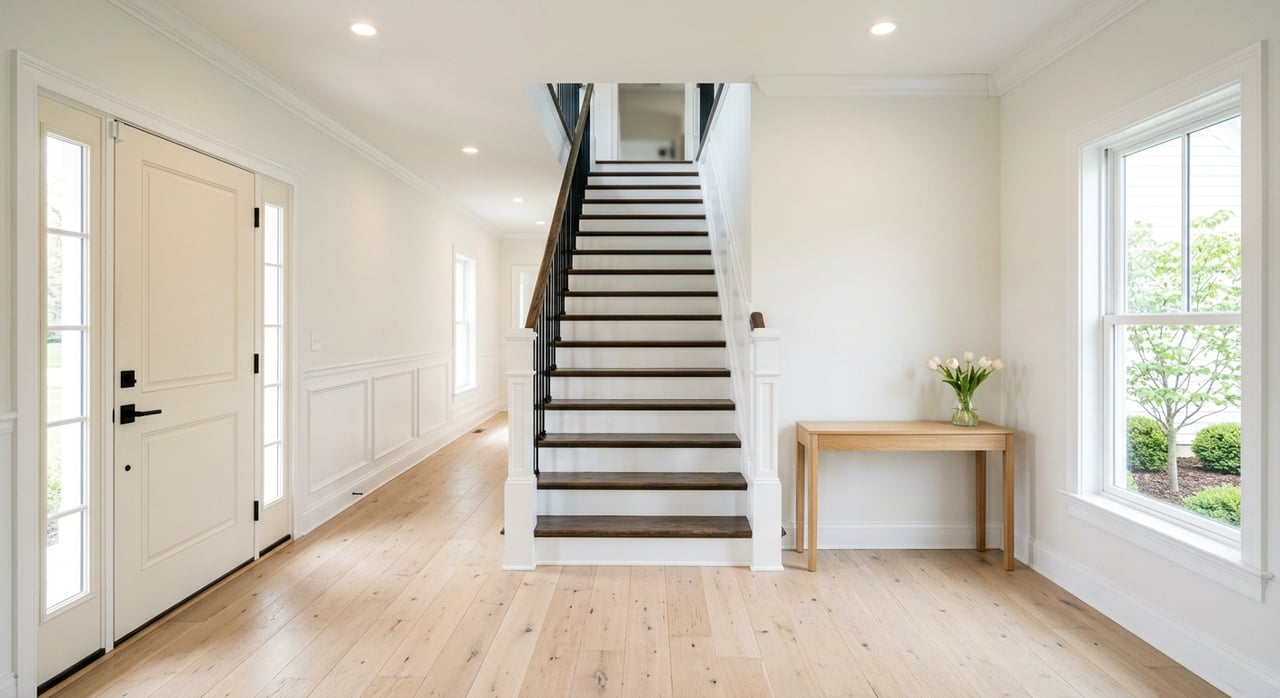
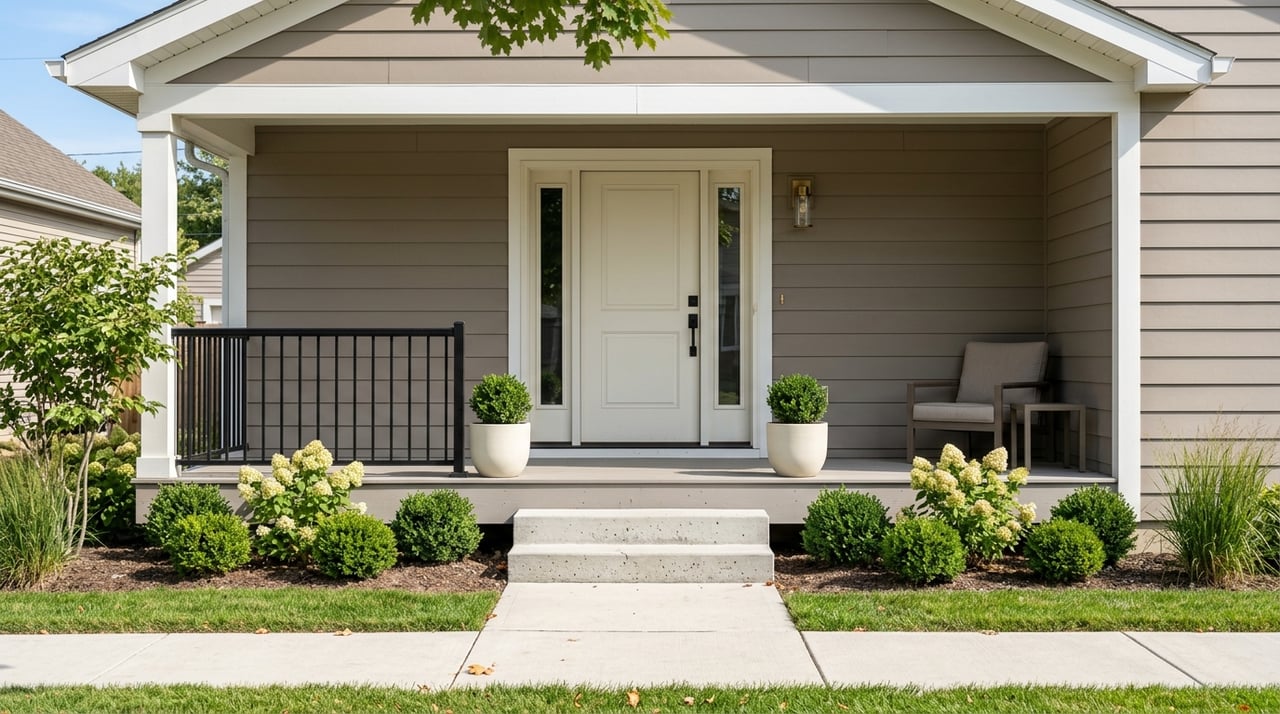
If you are looking for a home that feels move-in ready, thoughtful presentation and condition will likely play a big role in your decision. In a small market with varied housing ages, polished updates and strong design choices can make one property stand out quickly from another. That is especially true when inventory is limited.
University Heights offers something distinct in the Iowa City area: a compact residential setting with direct ties to campus, health care, and everyday convenience along Melrose. If that combination sounds like your kind of pace, it may feel less like a compromise and more like a smart lifestyle match. If you want help thinking through homes, value, and fit in this corner of Johnson County, Stevie Toomey would love to help you explore the options with a thoughtful, personalized approach.
FAQs
What is University Heights like for daily living near campus?
- University Heights feels compact, connected, and closely tied to the University of Iowa area, with easy access to campus, medical facilities, and destinations along Melrose Avenue.
What types of homes are common in University Heights?
- Most housing is older single-family homes, with more visible condo and multi-family options concentrated around One University Place and Grandview Court.
Is University Heights more expensive than Johnson County overall?
- On owner-occupied value, Census Reporter places University Heights above Johnson County, though recent sale and listing snapshots vary because the local market is small and inventory is limited.
How walkable is University Heights right now?
- Walkability is a city priority, especially on Melrose Avenue, and planned improvements include bike lanes, updated crossings, decorative lighting, and a wider sidewalk.
Does University Heights get heavy traffic?
- Traffic can be a real factor because Melrose Avenue carries commuter flow to west campus and the medical complex, and fall football weekends near Kinnick Stadium can add extra congestion.
Who is University Heights a good fit for?
- It is often a strong fit for people who want proximity and convenience, including university employees, medical staff, graduate or professional students, and buyers who value a short commute over a larger lot.