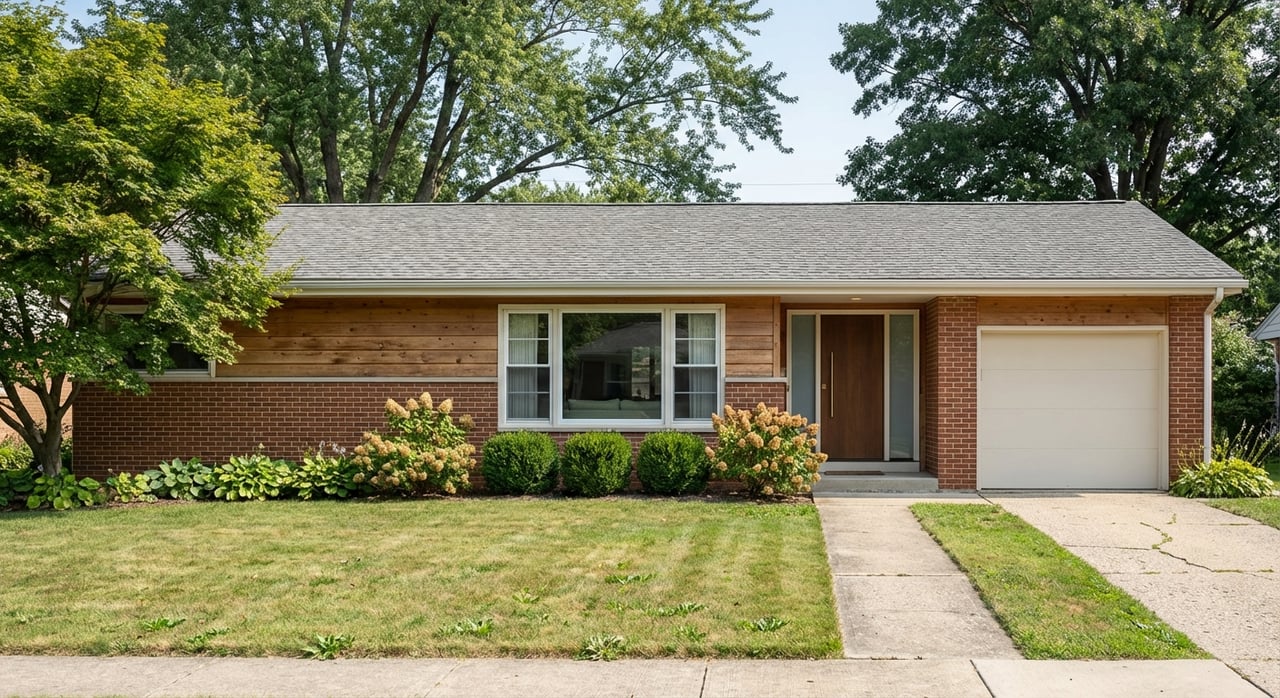
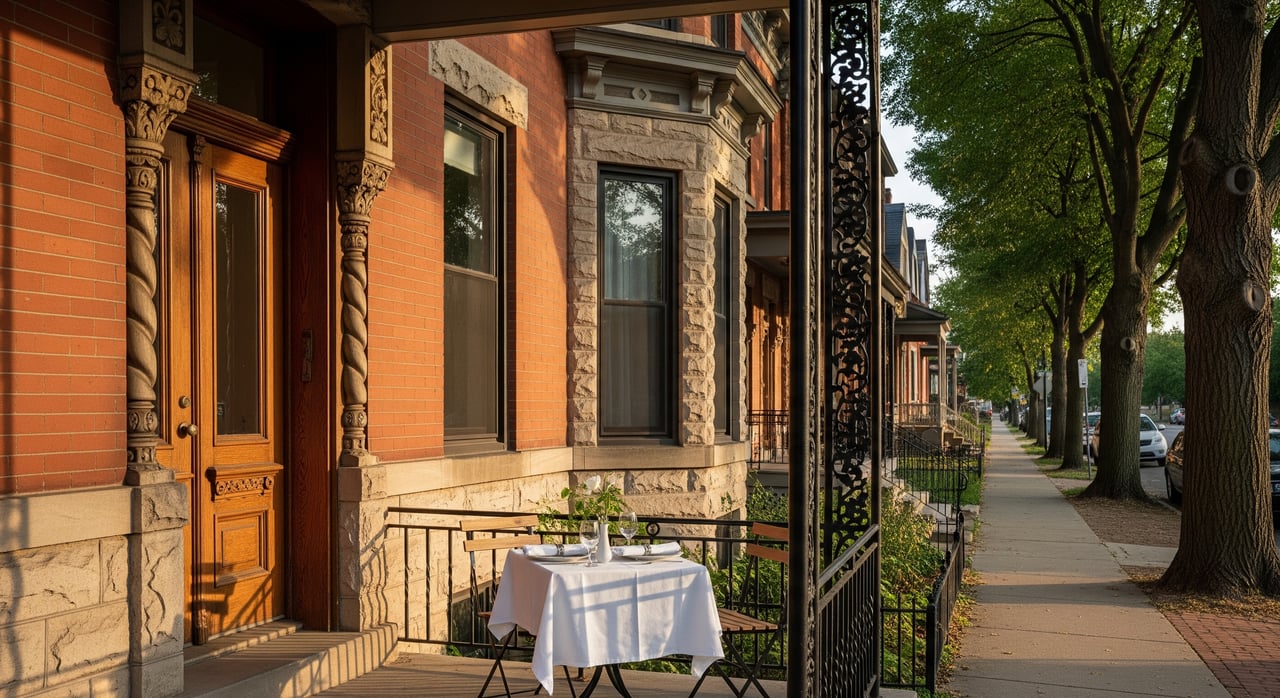
Love older homes with soul and streets you can stroll? Historic Northside and the adjacent Goosetown offer that classic Iowa City mix of character, canopy, and easy access to downtown and the University of Iowa. If you are drawn to original woodwork, front porches, and neighborhood cafés within a short walk, this pocket may fit your lifestyle. In this guide, you will get a feel for architecture, daily rhythms, mobility, dining, and what to know before buying or renovating in a historic area. Let’s dive in.
Neighborhood snapshot
You sit just north of Iowa City’s downtown and campus in Northside and the smaller Goosetown area. Streets are compact and tree lined, with sidewalks that make everyday errands and meetups simple. Houses are mostly late 19th to early 20th century, with a mix of single-family homes, a few multiunit conversions, and small apartments tucked into former large houses. The result is a human scale that feels residential yet connected.
Daily life follows the academic calendar. During the school year, you notice more foot and bike traffic, especially at commute times. Between terms and in summer, the pace softens, porches get more use, and parking patterns shift. The neighborhood’s older fabric, mature trees, and intact streetscapes are part of its identity.
Architectural highlights
Design-minded buyers love the variety here. As you walk, you will likely spot:
- Queen Anne and Late Victorian: asymmetrical fronts, steep gables, decorative shingles, and wraparound porches with turned posts.
- Italianate: low or flat roofs, wide eaves with brackets, and tall, narrow arched windows.
- Colonial Revival: symmetrical façades, pedimented entries, and multi-pane double-hung windows.
- Craftsman and Bungalow: low-pitched roofs, exposed rafters, tapered porch columns, and natural materials.
- Tudor Revival: steep gables, half-timbering, and a mix of masonry and stucco.
- Folk and vernacular cottages: simpler forms with modest trim that reflect the neighborhood’s mixed-income roots.
Materials often include brick, wood clapboard, decorative wood shingles, and stone foundations. Inside, you may find hardwood floors, original trim, plaster walls, built-ins, classic staircases, stained glass, and period fireplaces. Many homes blend these details with updated kitchens and baths.
Streets and scale
Short blocks, narrow setbacks, and porches near the sidewalk give the neighborhood a friendly scale. Mature shade trees add seasonal interest, from spring blossoms to fall color. On-street parking is common, and driveway or garage options vary by lot. If you value outdoor living, front porches and modest yards support a relaxed, social rhythm.
Daily rhythm and feel
In the morning, you see cyclists heading toward campus and downtown. Midday, cafés and sandwich spots closer to the core draw busy lunch lines. Late afternoon and evening, dog walkers, runners, and neighbors fill the sidewalks. Weekends bring a quieter pace, with the occasional porch project or garden tending adding to the soundscape.
Getting around
Walkability is a hallmark here. Sidewalks connect you to downtown retail, libraries, cultural venues, and the university precincts. Iowa City’s bike network supports short, practical rides for everyday trips. Local bus service ties the neighborhood to downtown and regional stops if you prefer to ride. If you own a car, plan for on-street parking and check city permit rules that can apply near university areas.
Dining and culture nearby
You are close to a mix of casual cafés, independent restaurants, bakeries, and small shops along streets that feed into downtown. The university anchors cultural life, with museums, performances, lectures, and events that spill into the neighborhood’s orbit. Patio seating and sidewalk tables pop up in warmer months, adding to the street vibe.
Buying a historic home
If you are early in your search, set your expectations for both charm and care. Historic homes reward attention, but they also need it.
- Hire a home inspector experienced with older properties. Consider specialists for foundations, roofing, chimneys, and mechanicals.
- Ask about past renovations, permits, and any moisture or structural issues.
- Confirm zoning and whether the property sits in a local historic district or is listed on a register. Exterior changes can trigger design review.
- Verify parking and storage options. Adding a garage or off-street parking may be limited by lot size or preservation rules.
Preservation and approvals
Local historic districts often require review for exterior changes like siding, windows, porches, and additions. Routine in-kind repairs may be allowed without formal review. If your property is a certified historic structure and your project meets the Secretary of the Interior’s Standards, the Federal Historic Rehabilitation Tax Credit of 20 percent may apply. State or local incentives can vary. The best path is to consult Iowa City preservation staff and the Iowa State Historic Preservation Office early.
Renovation priorities
Older homes benefit from a sequence that protects the structure first and enhances comfort second.
- Start with moisture management. Prioritize roofs, gutters, downspouts, grading, and foundation waterproofing or repointing where needed.
- Update mechanicals. HVAC, electrical, and plumbing upgrades are common investments in pre-1950 homes.
- Improve efficiency with care. Air sealing and insulation in attics and basements can help, but details matter to protect historic materials.
- Weigh the window decision. Repairing original windows often preserves character and can perform well with storms. Replacement may require design review.
- Balance character and flow. Restoring features while refining layouts, like opening a kitchen slightly while respecting original rooms, maintains value and appeal.
Common conditions to plan for
Historic wood siding and trim need regular paint and occasional repairs. Older windows may be single-pane, so you will weigh repair versus replacement for comfort and performance. Foundations may be stone or brick, which can call for repointing. Lead-based paint is possible in pre-1978 homes, and some properties still hold older wiring or plumbing. None of this is unusual for the era, but it is smart to budget with these realities in mind.
Working with local pros
Older homes reward teams that understand their systems and style. Look for contractors and architects with historic experience in Iowa City. For significant rehabs, talk with the city’s building permit office and preservation commission early. That conversation helps you plan timelines, avoid redesigns, and align your scope with review requirements.
If you value design and walkability
Northside and Goosetown give you a residential setting with easy access to downtown and campus life. You get houses with stories to tell, porches that invite conversation, and streets that encourage walking and biking. If you want a home that blends craftsmanship with modern function, and you are ready for thoughtful upkeep, this neighborhood deserves a spot on your list.
Ready to explore the area and find a home with character that fits your lifestyle? Connect with Stevie Toomey for a curated tour and design-forward guidance tailored to historic properties.
FAQs
What house styles will I see in Northside and Goosetown?
- You will find Queen Anne, Italianate, Colonial Revival, Craftsman and Bungalow, Tudor Revival, and vernacular cottages, often with original woodwork and porches.
Is the area historic-designated, and how does that affect renovations?
- Parts of Iowa City include locally designated districts and listed properties; if your home is within one, exterior changes may require design review, so confirm status before planning.
How walkable and bike-friendly is Northside for daily errands?
- Sidewalks, mature trees, and close proximity to downtown and campus make short walks and bike trips common, supported by local on-street lanes and multiuse paths.
Are there parking or rental rules near the university?
- On-street parking is typical and may require permits in some areas; rental and occupancy rules can apply near campus, so check current city regulations for specifics.
What maintenance costs should I expect in a pre-1950 home?
- Plan for ongoing exterior care, potential window repair, roof and gutter upkeep, and updates to HVAC, electrical, plumbing, and foundations based on inspection findings.
Are there incentives for restoring a historic home in Iowa City?
- The Federal Historic Rehabilitation Tax Credit of 20 percent may apply to certified projects, and state or local programs can exist; consult Iowa SHPO and city preservation staff early.