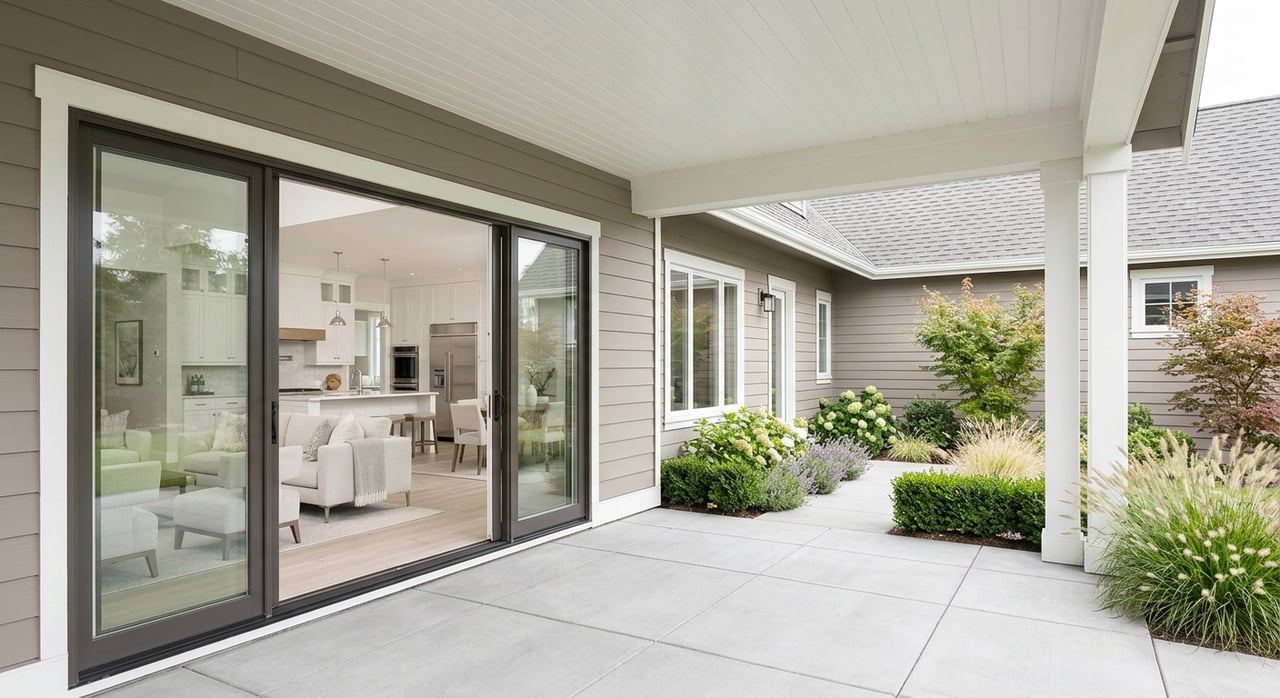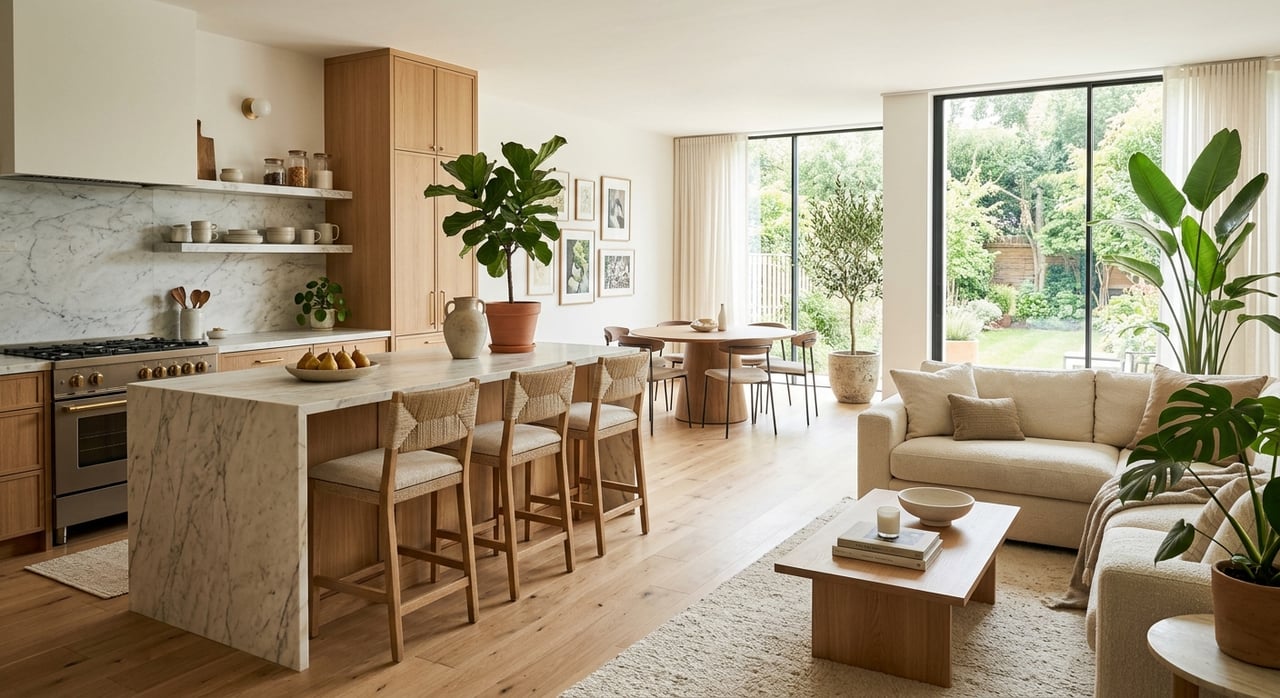
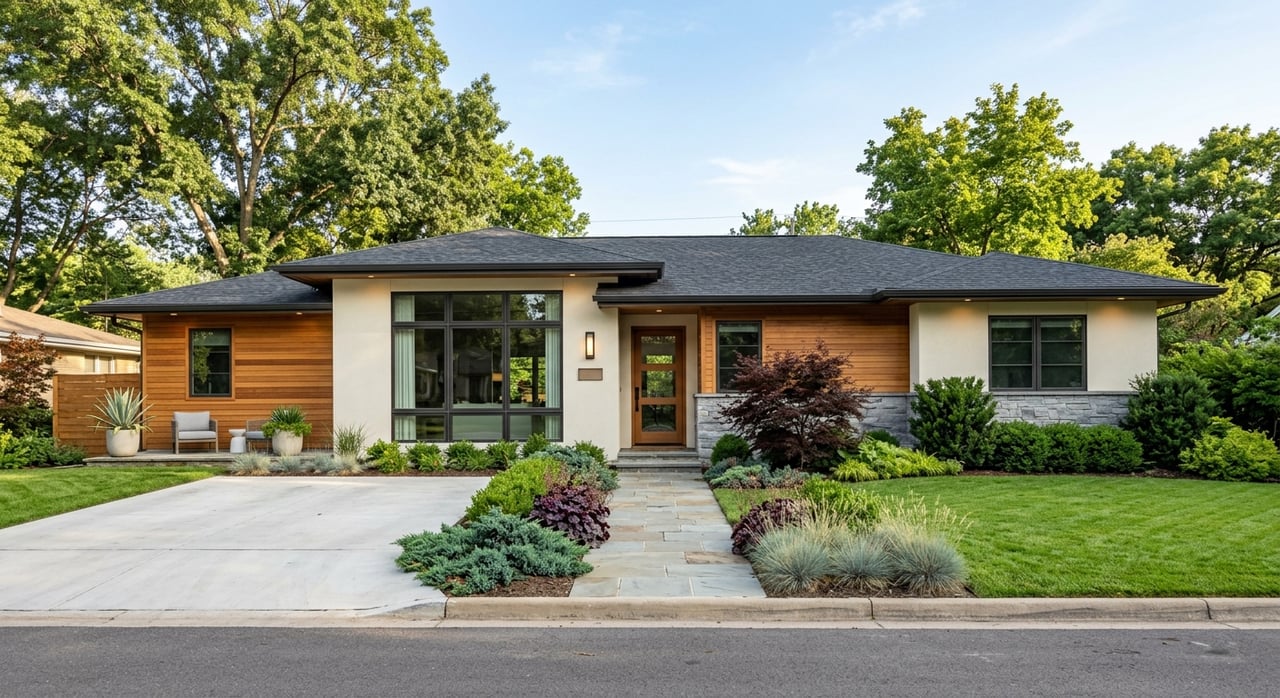
Wondering which east side neighborhood in Iowa City feels most like you? That choice can be harder than it first looks, because the Eastside is not one single, uniform area. It is a collection of smaller neighborhoods with different housing styles, lot patterns, park access, and day-to-day rhythms. If you want to narrow your search with more confidence, this guide will help you compare what matters most and choose a neighborhood that fits your lifestyle. Let’s dive in.
Start With the Eastside’s Overall Feel
One of the most helpful things to know is that Iowa City’s Eastside is better understood as a cluster of micro-neighborhoods rather than one broad district. Depending on the address, you may be in Eastside, Morningside-Glendale, Creekside, Washington Hills, or another nearby area. The City of Iowa City’s neighborhood map and address search tool can help confirm exact boundaries when you start touring homes.
The bigger picture is fairly consistent across much of the Eastside. City housing data show a stronger owner-occupied pattern in several eastern neighborhoods than Iowa City overall, which is majority renter-occupied. Detached single-family homes are also the most common housing type citywide, and that pattern helps explain why many Eastside buyers are comparing house style, lot size, and condition more than deciding between totally different property types.
Why Buyers Often Like the Eastside
If you want an established residential setting, the Eastside deserves a close look. Across the broader area, the housing stock tends to lean toward detached homes and an owner-occupied feel rather than dense rental buildings. That can be especially appealing if you are searching for a neighborhood atmosphere first and then refining your search by home style.
The Eastside also gives you variety without forcing you to leave the same general side of town. You can find mid-century ranch homes, split-level layouts shaped by the terrain, and newer detached construction in planned subdivisions. In practical terms, that means your search can stay focused on lifestyle goals like renovation tolerance, yard size, or park access while still giving you a few distinct neighborhood options.
Compare Neighborhoods by Home Style
For many buyers, the easiest way to choose the right Eastside neighborhood is to start with the kind of home you want to live in every day. The area’s postwar growth shaped much of the housing stock, especially around the Morningside-City High area, where subdivisions expanded through the 1950s and 1960s. Because of that history, your decision often comes down to build era, layout, lot feel, and how updated the home is.
Bel Air for Mid-Century Ranch Homes
Bel Air stands out if you are drawn to mid-century ranch character. Current listing descriptions repeatedly point to ranch and brick ranch homes, including homes built in the mid-1950s, along with mature trees and an established neighborhood feel.
If you want one-level living or a classic mid-century footprint, Bel Air may be a strong fit. Buyers often look here when they value charm, a settled streetscape, and homes with clear architectural identity. It can be a smart place to focus if you would rather personalize finishes over time than chase brand-new construction.
Washington Hills for Split-Level Living
Washington Hills has a different feel. A current neighborhood guide describes it as a quiet residential neighborhood, with split-level homes built into the hills.
That terrain matters more than it may sound at first. Homes shaped by the landscape can offer varied floor plans, more visual interest, and a different sense of privacy from street to street. If you like a neighborhood that feels tucked into the land rather than laid out on a flat grid, Washington Hills may deserve a spot on your list.
Windmill Heights for Newer Construction
If newer detached construction is your top priority, Windmill Heights is the Eastside area to watch. City planning materials describe Windmill Heights as a proposed new-construction subdivision with 21 units at Windmill Place, mostly on lots of about 0.2 to 0.25 acres.
Current listing coverage points to a mix of newer home styles there, including one-story homes, raised ranches, Colonial-inspired forms, and split-level layouts. For buyers who want a more move-in-ready feel, a newer build, or a suburban lot pattern, this area may check more boxes than some of the older Eastside neighborhoods.
Compare Neighborhoods by Lifestyle
Sometimes the right neighborhood is less about architecture and more about how you want your days to flow. Do you want trails close by? More mature trees? Easier bus access? A newer subdivision layout? On the Eastside, those small daily details can shape your experience just as much as square footage.
Choose Parks and Trails First
Iowa City says 99.4 percent of residents live within half a mile of open space, and the city has more than 50 parks, natural areas, and open spaces. On the Eastside, that translates into several very different kinds of park access.
Hickory Hill Park offers 185 acres of natural area and trails. Scott Park spans 43 acres and includes paved paths and an off-leash dog park. Court Hill Park has 8.6 acres with a creek, playground, and trail, while Glendale Park is a smaller 0.8-acre pocket park. James Alan McPherson Park, formerly Creekside Park, adds 2.3 acres with a community orchard and paved paths.
If outdoor access is high on your list, the Court Hill, Scott, and broader Eastside corridor can be especially compelling. The city has also highlighted investment around Court Hill Park and the Court Hill Trail, which adds practical value for people who want both recreation and everyday connectivity.
Think About Yard Size and Trees
The Eastside gives you more range than the neighborhood names alone might suggest. Some areas offer the mature trees and established lots often tied to older neighborhoods, while newer subdivisions may offer a more recently planned layout and a different sense of spacing.
That is why it helps to tour with a specific lens. If your ideal setting includes shade, established landscaping, and a lived-in streetscape, Bel Air may rise to the top. If you want a newer lot pattern and newer detached homes, Windmill Heights may make more sense.
Consider Transit and Car-Light Living
If commuting and daily errands matter to your decision, the Eastside has some useful strengths. Iowa City Transit is fare-free and runs 13 fixed routes Monday through Saturday, though there is no Sunday service.
Service levels vary by route, so it helps to look beyond the simple fact that transit is available. Route 2 Court Street runs every 20 minutes on weekdays, while Route 3 Eastside Loop is much more limited, with one morning trip and one afternoon trip on school days. The Eastside Loop includes stops such as Morningside & City High, Rochester & Regina, and 1st & Bradford, which shows that it functions more as a neighborhood and school connector than an all-day frequent route.
For buyers who want bike and pedestrian access, the Court Hill Trail is another important part of the picture. The MPO describes it as an everyday utilitarian trail that connects east-side neighbors to schools, shopping, parks, downtown, and the Iowa River Trail. For a car-light household, that kind of connection can make a real difference, especially when paired with fare-free transit.
A Simple Way to Narrow Your Search
If several Eastside neighborhoods seem appealing, try narrowing your options by the one thing you do not want to compromise on. That often brings clarity faster than scrolling through every available listing.
Here is a practical way to frame it:
- Choose Bel Air if you want mid-century ranch style, mature trees, and an established feel.
- Choose Washington Hills if you like quiet residential streets and split-level homes shaped by the terrain.
- Choose Windmill Heights if you prefer newer detached construction and a larger-lot suburban scale.
- Choose the Court Hill, Scott, or broader Eastside corridor if parks, trails, and bus-bike access matter most.
Once you know your priority, home shopping becomes more focused. You can compare homes with the right context instead of trying to make every listing fit the same idea.
Verify Boundaries Before You Tour
One final detail matters more on the Eastside than many buyers expect. Some addresses may not fall within any neighborhood association boundary, so neighborhood names do not always tell the full story.
Before you build a tour route or rule out a listing, verify the exact location. On a side of town made up of several micro-neighborhoods, a few blocks can change the home style, park access, and transit options you get.
Why This Choice Is Worth Getting Right
Choosing the right Eastside neighborhood is about more than buying a house. It is about finding the setting that supports the way you want to live, whether that means a mid-century ranch with character, a quieter street with topography-driven layout, a newer move-in-ready home, or easy access to trails and open space.
At Opal & Oak, we believe the best home search starts with the feel of a place, not just the specs on a listing sheet. If you want help comparing Eastside options with a design-aware, high-touch approach, connect with Stevie Toomey to schedule a curated consultation.
FAQs
What makes Iowa City’s Eastside different from one single neighborhood?
- Iowa City’s Eastside is made up of several micro-neighborhoods, including areas such as Eastside, Morningside-Glendale, Creekside, and Washington Hills, so the housing style and feel can change from one section to another.
Which Eastside neighborhood in Iowa City is best for mid-century homes?
- Bel Air is a strong option if you want mid-century ranch or brick ranch homes, mature trees, and an established residential setting.
Which Eastside neighborhood in Iowa City has newer homes?
- Windmill Heights is the best fit among the areas covered here if you are looking for newer detached construction and a more recently planned subdivision feel.
Which Eastside area in Iowa City is best for parks and trails?
- The Court Hill, Scott, and broader Eastside corridor stand out for buyers who want close access to parks, trails, and everyday outdoor connectivity.
Is Iowa City Eastside good for transit access?
- The Eastside can work well for some car-light households because Iowa City Transit is fare-free and the area also benefits from trail connections, but route frequency and service times vary, so it is important to review the specific route that would serve your address.
How can you verify an Eastside neighborhood in Iowa City before touring homes?
- The most reliable way is to use the City of Iowa City neighborhood map and address search tool, since some east-side addresses may not fall within a neighborhood association boundary.